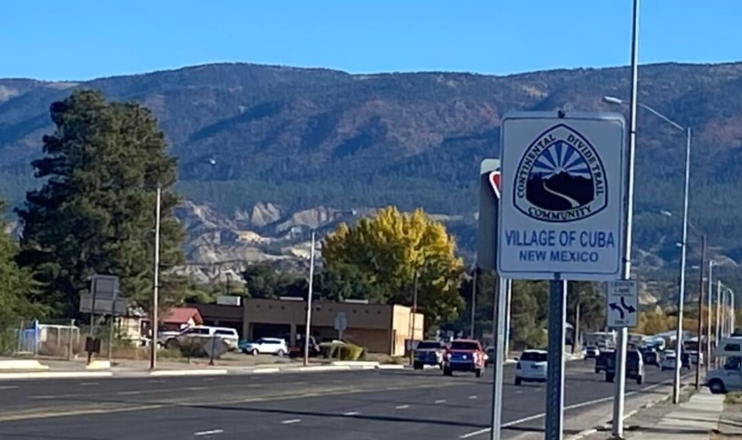
Discover Cuba, New Mexico
Cuba, New Mexico, is the kind of place many travelers first discover as a stop along Highway 550—and then realize deserves more time.
Set against the Sierra Nacimiento near the western edge of the Santa Fe National Forest, Cuba sits at approximately 6,900 feet and serves as a gateway to forests, wilderness areas, high-desert mesas, ancient cultural landscapes and the Continental Divide Trail. The surrounding region includes Chaco Culture National Historical Park, San Pedro Parks Wilderness and the Jemez Mountains.
Visitors searching for things to do in Cuba, NM will find a community shaped by outdoor recreation, Native and Hispanic heritage, ranching traditions, mountain weather and the natural beauty of northern New Mexico.
Cuba is not a polished resort town—and that is part of what makes it special. It is authentic, uncrowded and surrounded by landscapes that still feel expansive and wild.
1. Explore the Continental Divide Trail
Cuba is an official Continental Divide Trail Gateway Community, making it a significant stop for thru-hikers, section hikers and travelers who want to experience part of one of America’s great long-distance trails. The Continental Divide Trail extends for roughly 820 miles through New Mexico and connects Cuba with other gateway communities throughout the state.
The trail near Cuba passes through dramatically changing terrain, including forested mountains, open high desert, ranchland, sandstone formations and remote backcountry.
Visitors do not need to complete a thru-hike to enjoy the area. A short day hike or scenic drive near a trail access point can provide a glimpse of the same sweeping landscapes experienced by long-distance hikers.
What CDT travelers commonly need in Cuba
Cuba is a practical place to:
Rest and resupply
Find a meal
Stay overnight
Replace basic supplies
Charge phones and equipment
Check trail and weather conditions
Arrange transportation
Take a break before the next remote section
The section between Grants and Cuba is particularly known for its remoteness and diversity of scenery, ranging from forested terrain near Mount Taylor to open farm roads and high-desert landscapes.
2. Visit San Pedro Parks Wilderness
North and east of Cuba, San Pedro Parks Wilderness offers one of the area’s most peaceful mountain escapes.
Rather than the dry desert landscape many visitors expect from New Mexico, San Pedro Parks is known for high-elevation forests, broad grassy meadows, streams and cool mountain air. It is a beautiful destination for hiking, backpacking, fishing, wildlife viewing and quiet time outdoors.
One popular destination is San Gregorio Reservoir, reached from the San Gregorio trailhead. The reservoir and surrounding trails attract hikers, anglers and campers during the warmer months.
Before traveling into the wilderness, check road access, weather and seasonal forest conditions through the
Santa Fe National Forest.
3. Experience the Santa Fe National Forest
Cuba is positioned beside the western side of the Santa Fe National Forest, placing a wide range of outdoor activities within reach.
Depending on the season, visitors come to the Cuba Ranger District for:
Hiking
Camping
Fishing
Mountain biking
Horseback riding
Hunting
Wildlife photography
Scenic drives
Fall colors
Snow recreation
The forest contains wilderness areas, mountain streams, high-elevation meadows and landscapes that shift dramatically with elevation and season.
This is one of the reasons Cuba feels different from many Highway 550 stops. Within a relatively short drive, travelers can move from open high-desert country into cool ponderosa forests and mountain meadows.
Use the
Santa Fe National Forest website to check alerts, closures, fire restrictions and current recreation information before leaving town.
4. Take a Day Trip to Chaco Canyon
Cuba is a useful eastern stopping point for travelers visiting Chaco Culture National Historical Park.
Chaco was an important regional center for Ancestral Pueblo people from approximately 850 to 1250 CE. Today, visitors can explore monumental structures, hiking and biking routes, cultural sites and a vast desert landscape that remains deeply meaningful to Indigenous communities throughout the Southwest.
The northern approach turns off US Highway 550 approximately 50 miles west of Cuba. From the highway, the route includes eight miles of paved road followed by approximately 13 miles of rough dirt road. The National Park Service describes the final miles before the park as particularly rough.
Chaco Canyon travel tips
Before leaving Cuba:
Fill your fuel tank
Bring drinking water
Pack food and snacks
Download offline directions
Check weather and road conditions
Allow additional driving time
Make sure your tires are in good condition
Confirm current park hours
The park has limited services, which makes Cuba a sensible place to eat and gather supplies before heading west.
Check current access and visitor information directly through the
National Park Service Chaco Culture page.
5. Drive the Highway 550 Corridor
US Highway 550 is more than a route through Cuba. It is one of northern New Mexico’s major travel corridors, connecting Albuquerque and Rio Rancho with Cuba, Farmington, Bloomfield, Aztec and Durango.
The drive presents broad views of mesas, volcanic formations, distant mountains and open high-desert country.
Cuba makes a natural stop for travelers looking for:
Restaurants
Fuel
Groceries
Restrooms
Lodging
Local businesses
Outdoor supplies
A dispensary near Highway 550
Rather than rushing through town, take time to look toward the mountains surrounding Cuba. The landscape marks a transition between the Rio Grande region, the Jemez Mountains, the San Juan Basin and the greater Four Corners area.
6. Enjoy Camping Near Cuba
Travelers looking for camping near Cuba, New Mexico can explore developed and dispersed camping opportunities in the surrounding national forest.
Depending on the destination and season, camping near Cuba can place visitors close to:
Forest trails
Fishing areas
Mountain meadows
Wildlife habitat
Continental Divide Trail access
Scenic forest roads
Dark night skies
Camping conditions vary considerably by elevation. Cuba may feel warm and dry while higher mountain areas are cool, muddy or experiencing thunderstorms.
Bring layers, carry adequate water and check current forest restrictions before traveling into remote areas.
7. Go Hiking, Fishing and Wildlife Watching
Cuba’s surrounding terrain provides outdoor experiences for many different kinds of travelers.
Hikers can choose from mountain routes, wilderness trails, Continental Divide Trail sections and shorter walks near reservoirs or forest access points.
Anglers visit mountain streams and reservoirs, while photographers come for wildlife, changing skies, rock formations and the contrast between green forests and high-desert mesas.
Depending on the season and location, visitors may see elk, deer, wild turkeys, raptors and other wildlife common to northern New Mexico.
The area is especially beautiful during:
Spring, as the landscape begins turning green
Summer, when mountain meadows and forests offer relief from lower-elevation heat
Fall, when foliage changes and elk activity increases
Winter, when snow transforms the Sierra Nacimiento and surrounding forest
8. Experience Cuba’s Local Character
The beauty of Cuba is not limited to its scenery. It is also found in its people, traditions and sense of place.
Cuba is a small, diverse community influenced by generations of Native American, Hispanic and ranching history. It serves local families, surrounding rural communities, outdoor travelers and people passing between central and northwestern New Mexico.
Visitors will find locally owned restaurants such as
Mel’s Drive Thru Chicken and BBQ, small businesses, community events and people who understand the surrounding land in ways a standard travel guide cannot capture.
This is not a community created for tourism. It is a real New Mexico town that welcomes travelers while maintaining its own distinct identity.
That authenticity is one of the most important reasons to stop.
9. Find Local Food and a Place to Rest
After hiking, driving or exploring the forest, Cuba provides opportunities to enjoy a meal and rest before continuing your trip.
Searches such as restaurants in Cuba, NM, places to eat in Cuba, New Mexico, hotels in Cuba, NM and lodging near Chaco Canyon often come from travelers using Cuba as a base or stopover.
Because Cuba is a small community, business hours and availability can change. Confirm hours directly before making a business an essential part of your itinerary.
New Mexico Tourism maintains a
Cuba travel page with information about local attractions and visitor services.
10. Find a Dispensary Near You in Cuba
Adults searching for a dispensary near me, weed near me, cannabis near me or a recreational dispensary in Cuba, New Mexico can visit Access Memo for convenient curbside pickup.
Access Memo is located near the Sandoval County Fairgrounds and the historic Cuba movie theater at:
62 County Road 11
Old Highway 44
Cuba, NM 87013
Visitors can browse the current menu, place an order and receive curbside service without adding a long stop to their travel plans.
The menu includes:
Premium indoor flower
Pre-rolls
Edibles
Concentrates
Cannabis-infused products
New Mexico cannabis brands
Access Memo is a veteran-owned New Mexico business connected to The Memo, a local indoor cultivation facility in Cuba.
Whether you searched for best weed near me, top-shelf flower near me, dispensary near Highway 550 or cannabis in Cuba, NM, the goal is to provide a simple, professional experience for both residents and visitors.
[Browse the Access Memo menu]